David_Gatley
Mega Guru
Options
- Subscribe to RSS Feed
- Mark as New
- Mark as Read
- Bookmark
- Subscribe
- Printer Friendly Page
- Report Inappropriate Content
12-31-2019
11:56 AM
Platform As A Service. That's it, that's all OEM is. I'll elaborate:
For those of us in the know, the phrase "ServiceNow's platform is the best kept secret in technology" is no stretch of the truth. This Platform converts the average technologist seemingly overnight. Sure ITSM, ITOM, HR, and the rest of the app suite help modernize and transform enterprises, but it's the Platform that powers those changes. This platform, which effortlessly ties together large, disparate data sources and then connects the relevant people with that data is the secret sauce of ServiceNow...and it's available to you as a technology stack for ANY. SOLUTION. YOU. CAN. DREAM. UP.
Super High Level Summary:
ServiceNow gives you a bare-bones (more on this later), platform-only instance. You build whatever you want in that instance (app, customizations, UI's, etc.). You provide login credentials to whichever users (customers) you want. You provide a royalty rev-share of that deal back to ServiceNow. Done. That's the OEM program.
The overall opportunity here:
If you know the ServiceNow platform well, and are looking for a new way to leverage that technology to take a new solution to a market the ServiceNow isn't currently selling to, OEM may be that opportunity. If you're considering Amazon, Google, Salesforce or anything other app-platform for your solution, you should also be considering ServiceNow. I'd love to help you better understand if this is the right fit for your solution. If you are interested in more details, read on my platform friend, read on.
A little more detail:
To best understand OEM, think of it as a delivery channel for a solution built on the Now Platform. Where the store (https://store.servicenow.com/) is the delivery channel for certified apps and integrations to existing ServiceNow customers, OEM is the delivery channel for any solution (built on the Now platform) to ANY customer (ServiceNow or not).
Where you deliver a certified app/integration as a package to an existing customer within the Store channel, you deliver access to an instance with your solution already running in the OEM channel.
To help distinguish OEM, it helps to consider it along side Store. Both of these are delivery channels for solutions built on ServiceNow's platform, but they are fundamentally different in several meaningful ways:
Customers:
- Store customers have pre-established instances of ServiceNow
- OEM customers do not have a ServiceNow instance, and are provided a "white-labeled" version of ServiceNow by the OEM partner
Packaging:
- A store solution is:
- an integration or application
- certified
- delivered to an existing customer instance of ServiceNow
- packaged, certified, and distributed by ServiceNow
- A OEM solution is:
- a platform-only instance of ServiceNow
- packaged, managed and delivered by the partner (not ServiceNow)
Support:
- A Store solution is certified, and thus inspected to meet the certified criteria established by ServiceNow. The partner owns first line support, but ServiceNow will provide second line support if required
- A OEM solution is entirely supported by the partner. ServiceNow will ensure that the instance running the OEM solution is supported, updated, etc. - however any functional aspects of the solution will not be supported by ServiceNow. Only the instance running that solution.
Platform-Only Instance:
When you build an application or integration for store - you can extend any of the existing ServiceNow applications (plugins). Your solution sits alongside existing ServiceNow implementations of your customer. You can leverage anything ServiceNow sells.
Store Solution Stack:
When you build a solution for OEM - you do not have access to existing ServiceNow applications/plugins. Only a subset of platform plugins are enables/available to you. You are building your own solution, independent of any application layer functionality of ServiceNow:
OEM Solution Stack:
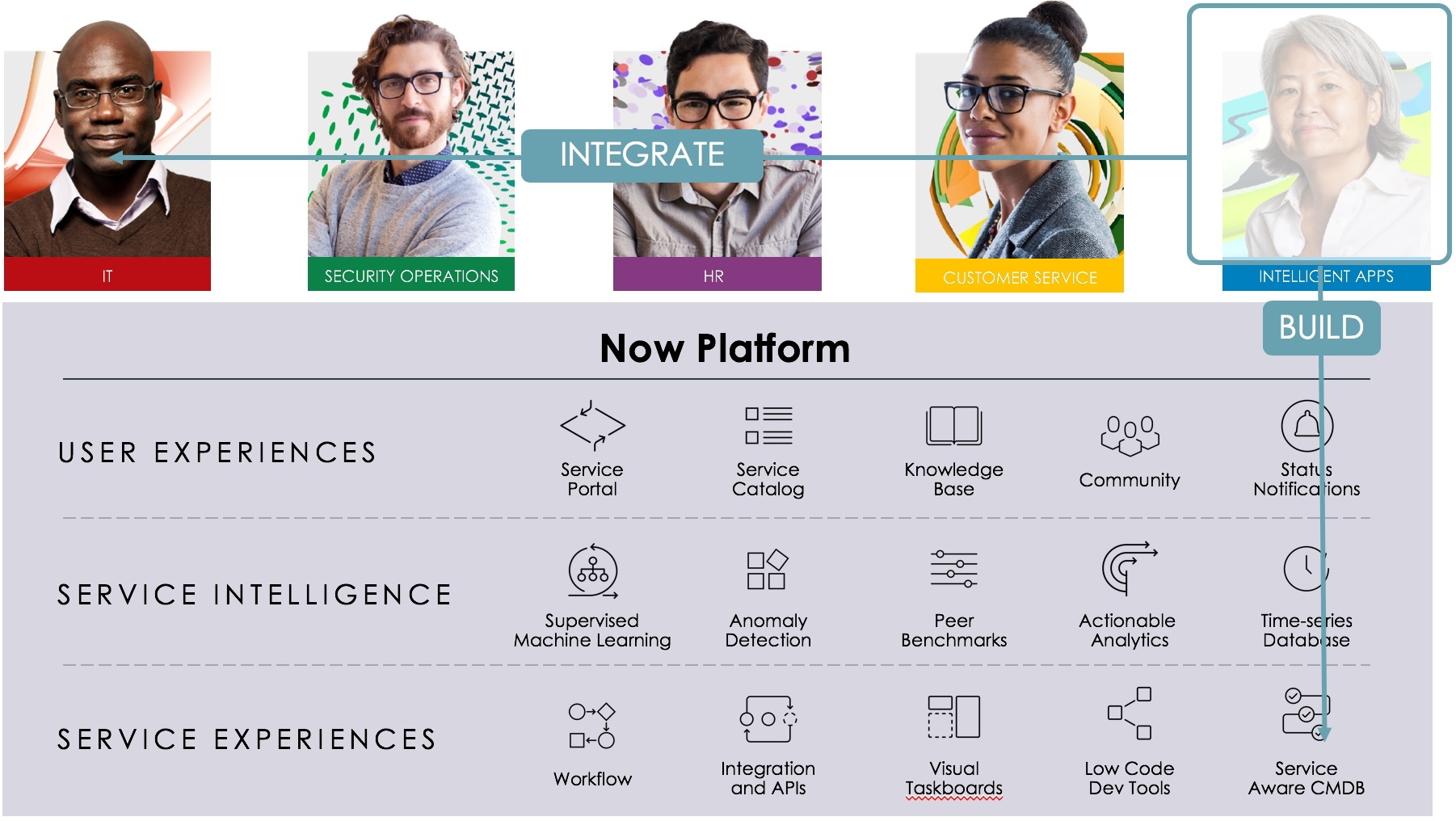
To be precise, this is exactly what is included within an OEM instance:
A couple of notes here:
Domain Separation is available within an OEM instance. However, due to the highly-technical nature of building domain aware solutions as well as implementing and maintaining a Domain Separated instance, we have some training pre-requisites to enable this functionality.
Additional applications/functionality can be included to the image above. If you see something missing that you would like to include, please let your account manager know and we can begin that consideration process.
Labels:
- 10,337 Views
6 Comments
You must be a registered user to add a comment. If you've already registered, sign in. Otherwise, register and sign in.