


The idea for an intelligent command center (ICC) started on a napkin in 2025. Today, it’s the future of live events.
A ServiceNow partner responsible for technology management at major events, including the FIFA World Cup 2026™ and the 2028 Summer Olympic Games and Paralympic Games, came to the ServiceNow futures team in search of a solution.
Data sat in siloed systems, and the organization had no way to act on it. Workers felt like they were constantly in a reactive, firefighting mode. The partner wanted to shift into more proactive, AI-powered operations.
Our futures team, which helps customers prepare for the transformative impacts of technology and AI, answered with a concept. We envisioned a single, unified interface that would not only surface data from legacy systems, but also apply AI to suggest actions that humans and AI agents can then execute with one click.
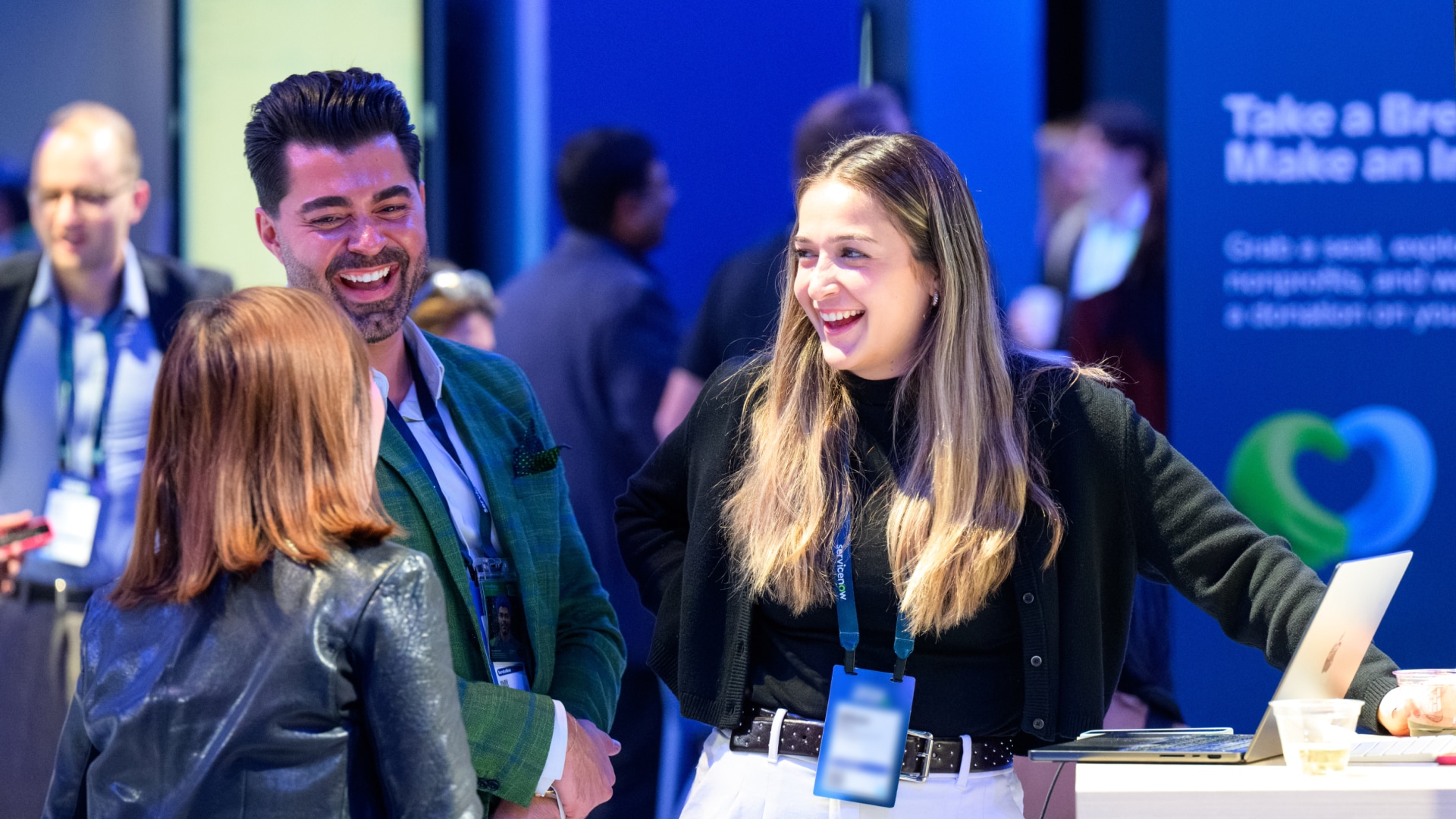
We sketched out what this would look like on a napkin, then followed up with a PowerPoint mockup. A year later, our client zero went live. We collaborated with the ServiceNow digital technology team to bring the ICC concept to ServiceNow’s flagship Knowledge event, which draws about 25,000 attendees annually.
Here’s how the ICC works.
The ICC doesn’t simply display data and key performance indicators on a screen. That would make it a mere dashboard. Instead, it collects data from multiple siloed systems, contextualizes it against thresholds and scenarios, and identifies what needs attention, flagging corrective actions specific to each user's role.
At Knowledge, the ICC pulled from data sources including registration check-ins, session badge scans, camera feeds, occupancy beacons, network health and latency metrics, and the ticketing system to surface issues in real or near-real time.
Just as delays at events such as the FIFA World Cup or the Olympic Games can create major operational challenges and cascading effects, delays at events such as Knowledge can do the same. To address this, the ICC uses AI to suggest tailored mitigating actions.
During Knowledge, intelligent camera technology counted the number of people in a single frame to help organizers understand how the crowd was moving through or occupying defined zones. It then transmitted aggregate counts in real time to detect potential congestion—no facial recognition required.
Once the ingested camera data surfaced a long line or a crowd, intelligent, suggestive capabilities provided the operations team with a list of mitigating workflows, such as “update event app with overflow room details” and “send notification to all registered attendees.”
The ICC enables users to seamlessly run an event by executing any action with a single click. In the Knowledge scenario, a user would select their desired action from the prioritized list.
Humans always stay in the loop or in command, and AI agents or automated workflows can support and run in the background, eliminating manual coordination across systems.
The Knowledge build also used historical data from Knowledge 2025, including a keynote delayed by travel disruptions, to train a forecasting model. When an operator selected a delay scenario, the model showed predicted downstream effects (including crowd flow disruptions, session overruns, and meeting impacts) and suggested mitigation steps.
As a result, the operations team could anticipate problems rather than react to them.
The ICC framework can be applied to any space where operations are time critical and involve high stakes and multiple stakeholders. Large-scale events such as Knowledge and the FIFA World Cup are a natural fit, but the concept can aid in the operations of other complex environments as well:
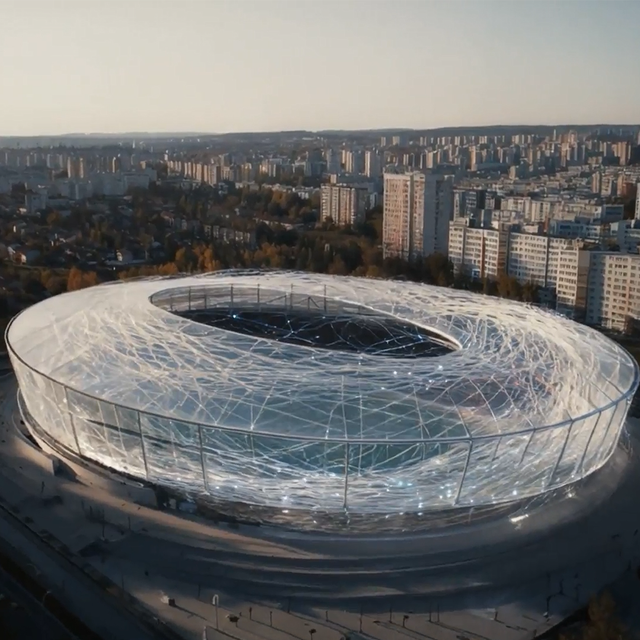
- Stadiums and venues: real-time crowd flow, incident dispatch, staff orchestration on game day, partner and volunteer management
- Airports and transit: operations continuity, gate management, security coordination across terminals
- Healthcare and government: patient flow, compliance operations, multisite situational awareness
- University campuses and cities: stakeholder management, human experience, administrative processes, emergency response
We didn't invent new technology. We worked with a partner to imagine what unified operations could look like. Then we built it by orchestrating existing ServiceNow capabilities through a single intelligent interface.
Find out more about reimagining venue operations with an AI-powered command center.
Then learn more about the future of AI in sports.