



Companies worldwide are grappling with a tech talent gap that could cost them $6.5 trillion by 2025, according to IDC. At the same time, automation technologies are disrupting global labor markets, automating some jobs entirely while augmenting others by removing boring, repetitive tasks.
To compensate, business leaders must fundamentally rethink who and how they hire. By reskilling workers and placing them in higher-value roles, they can close the talent gap and position themselves for success in a world defined by human/AI partnership.


Future-proofing the workforce begins with understanding the effect AI will have on the skills employees need in the near future. This will inform how business leaders reskill their employees and hire new tech talent.
Interestingly, the data shows that as automation eliminates repetitive tasks, the pendulum will swing toward the distinctly human skills of communication, creativity, and analytical thinking. Simply put, the more we allow machines to do the kinds of things they’re good at, the less humans will have to behave like machines.
By taking on highly technical tasks, programs such as ChatGPT can open the door for people who have been overlooked by the tech industry. Business leaders can bridge the talent gap by tapping into new sources of talent—including non-tech workers whose skills transfer nicely into a more human-centric tech world.

To fully understand AI’s effect on the skills and tech positions of the future, ServiceNow’s research partner, Pearson, tracked the likely impact of 16 disruptive technologies on more than 6,500 occupations in the U.S, U.K., Germany, India, Australia, and Japan.
Pearson’s data scientists then created machine learning models to analyze the more than 30,000 skills and 26,000 tasks required to do these jobs, predicting the effect on each from automation and augmentation, and identifying the easiest migration paths to jobs of the future.






- Automation
- Augmentation
- Added Jobs
Technology has shaped the workforce throughout history, perhaps no more so than today. Every industry will feel the push and pull of automation—some jobs will be eliminated, others augmented, and many created.
That said, not all countries will be affected equally. The data below reflects the total number of jobs—both traditional and tech-related—that could be augmented or automated, and how the effects will be balanced out with the growing demand for tech talent.
By taking into account the existing tech talent gap and combining it with the tech jobs needed to support the growing demand for global digital transformation, we find that automation will create new opportunities. With the right reskilling, non-tech workers whose jobs are affected by AI can step into the tech roles of the future.
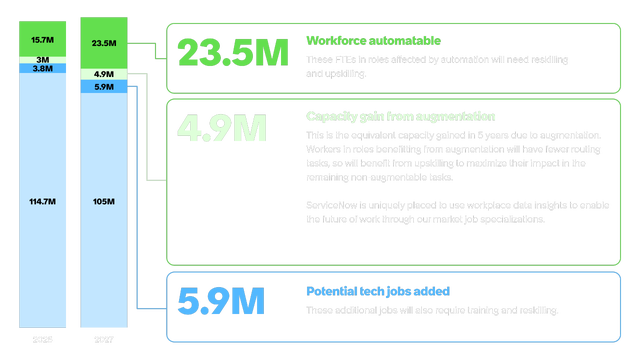
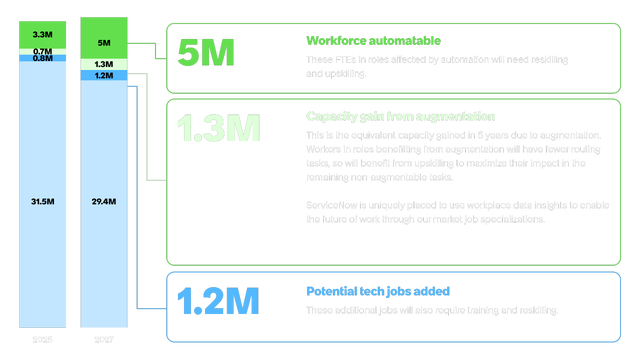
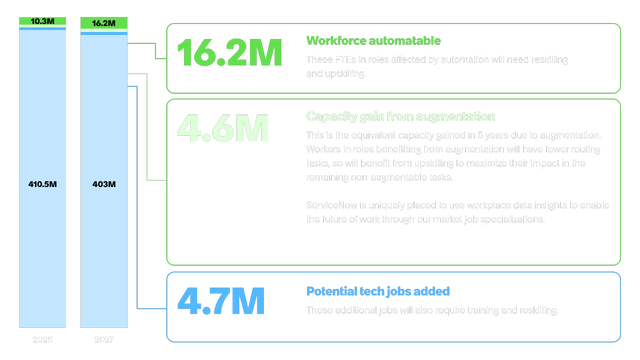
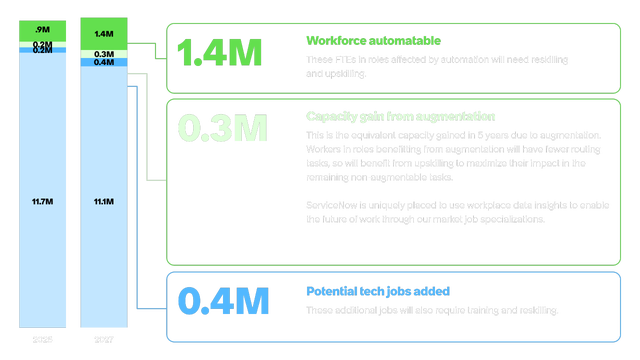
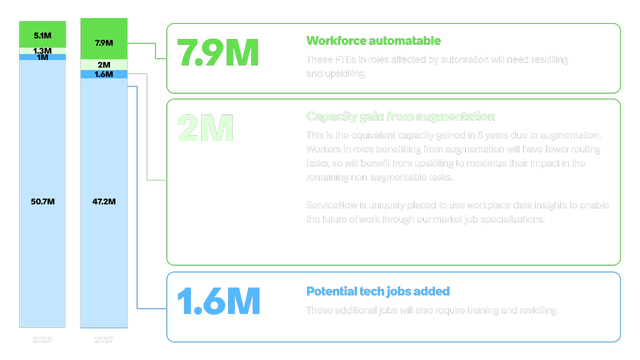
Industries across countries will be affected by AI differently.
In the U.K., Japan, and the U.S., automation will affect twice as many workers in retail as in any other major industry. But it will also create twice as many new tech jobs for people who know how to put these technologies to work. In fact, 1 million additional full-time tech jobs will be created to support the implementation of emerging technologies in the U.S. retail industry.
In India, however, where physical processes have yet to be as altered by automation as they are in other countries, the manufacturing industry will experience the greatest change. Click below to see how industries will fare by country.
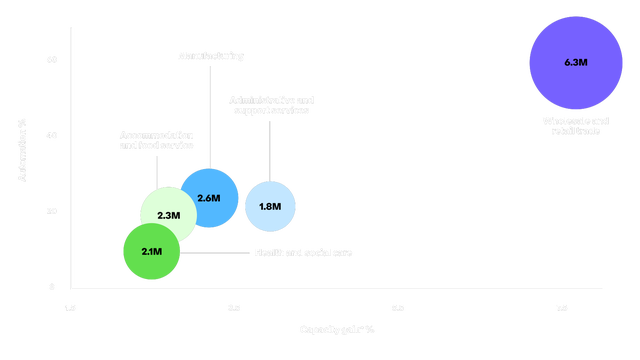
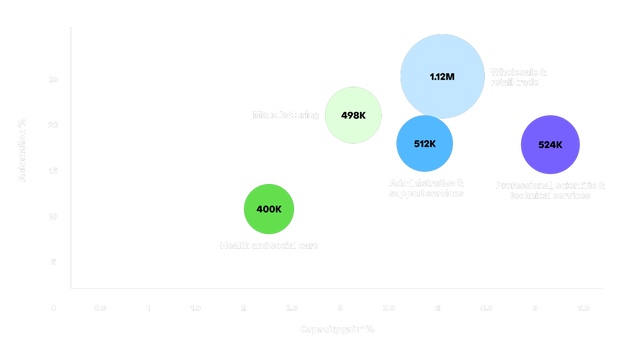
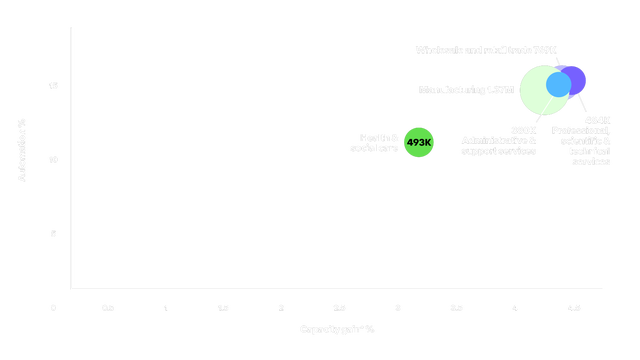
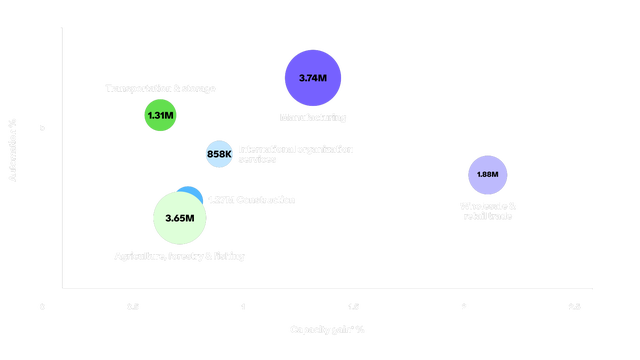
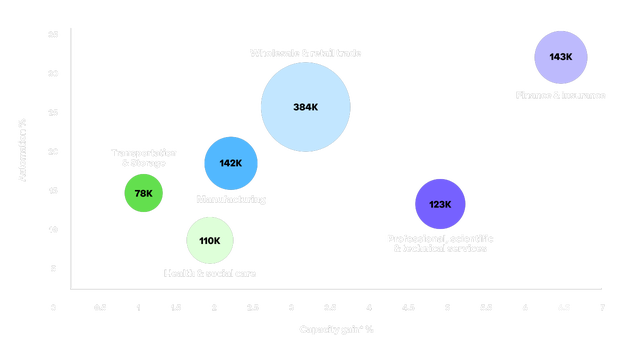
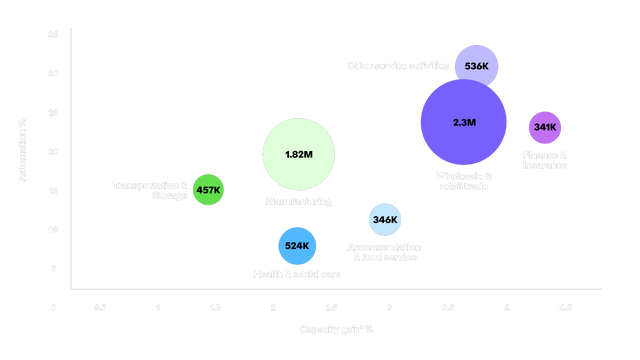
*Capacity gain is time freed up from use of augmentation technologies
The global workforce is at an inflection point, with AI driving opportunities for those with access to the right training.
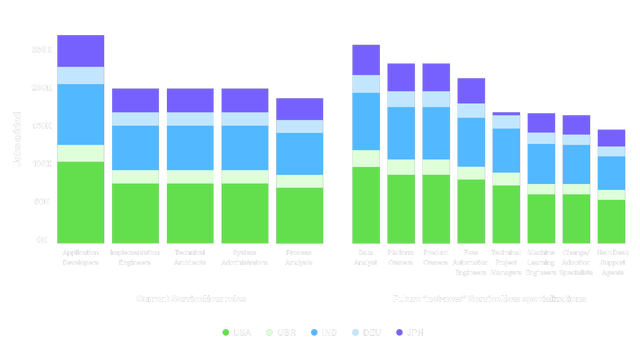
Consider this: By 2027, within the ServiceNow ecosystem in the six countries surveyed, more than 1 million additional jobs matching existing roles will be required to support advances in technology. In addition, the research identified eight in-demand roles for which ServiceNow currently doesn’t have skills profiles. Over five years, these future roles will create more than 1.5 million jobs across our surveyed markets.
Based on this data, Servicenow is working to expand its skills portfolio, worker profiles, and credentials—but this is not a ServiceNow-specific phenomenon. As AI reshapes jobs and the expertise needed to perform them, business leaders should prepare by developing the training pathways their employees need to successfully reskill for these future roles.
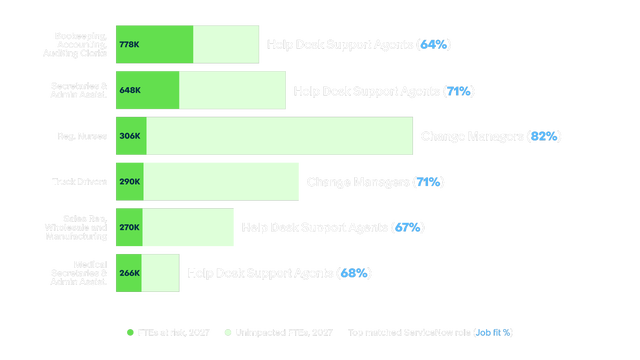
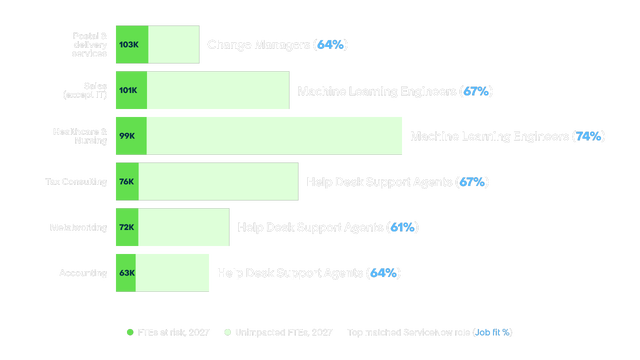
Now that we understand which industries will be affected by AI, we can identify workers in each of those industries whose skills are the most easily transferable to the tech jobs of the future.
For example, we know that manufacturing will be a highly affected industry in India. But our research shows that fishery workers in India have the core skills to become help-desk agents. Developing these and other career migration paths is especially important given the effect of automation on these positions and the need for new tech talent across the board.
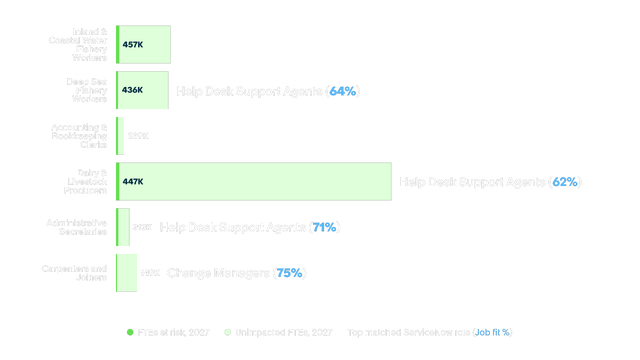
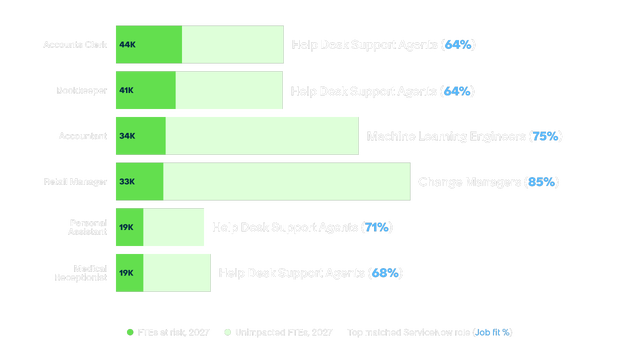
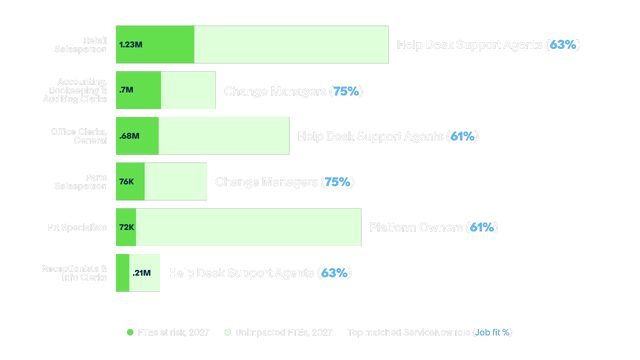
The research has also revealed ways in which certain existing positions will evolve when augmented by AI.
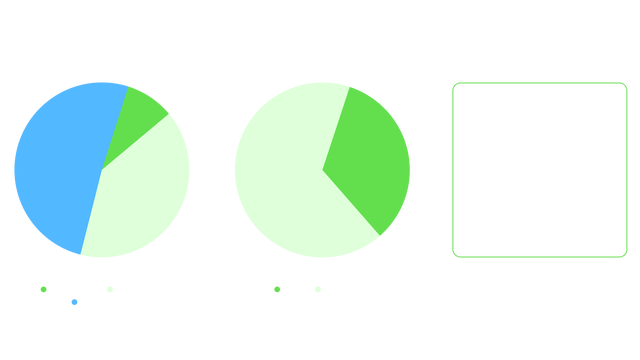
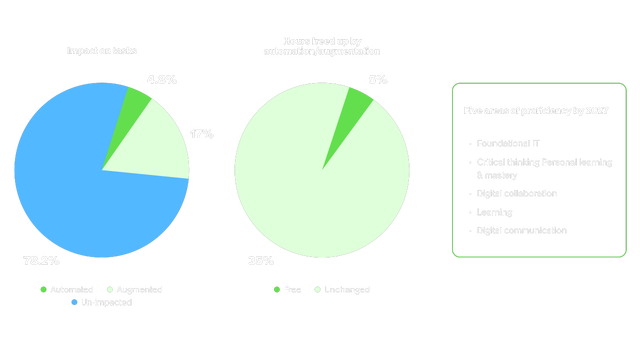
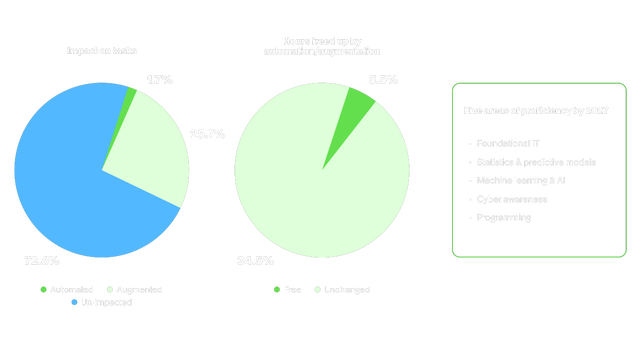
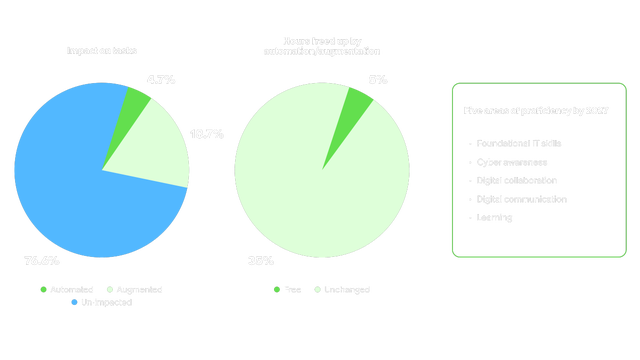
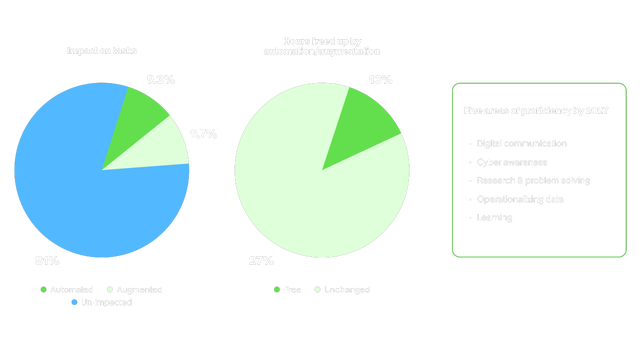
Using the role of system administrator as an example, we found that 9.3% of their current tasks could be automated and 39.7% of their tasks could be augmented. This will lead to up to 13 hours each week being freed up by AI automation and augmentation. Based on an analysis of 32 capabilities identified as crucial to all roles of the future, sysadmins must be highly proficient in these five areas by 2027:
- Foundational IT skills
- Cyber awareness
- Digital collaboration
- Digital communication
- Learning
Ideally, sysadmins should use this opportunity to learn new skills or train for a new role to help move
the business forward. On the flip side, business leaders should identify opportunities to keep their sysadmins motivated, engaged, and on a career growth plan. When viewed through this lens, upskilling to relevant, future-demand roles is key to staff retention.
Cheyenne Saulnier always had a penchant for technology, but she never thought she would find her place in the IT industry. After all, she was working in the mailroom—not your traditional route to a high-paying tech position. When her strong communication and service skills were noticed by IT leaders within her organization, she was invited to train as a ServiceNow system administrator.
Cheyenne’s story is notable but not unique. As technology platforms become more accessible, it becomes easier for people without programming and other tech-related backgrounds to work in IT. All they need is a desire to learn and access to the right training programs.
As AI becomes more embedded in the workplace, leaders who ignore its impact on the workforce do so at their own peril. Yet, while disruption is inevitable, there will be tremendous opportunities to create new, more human—and, yes, more productive—ways of working.
ServiceNow University is a new global training initiative created to spark our tech talent transformation. By building comprehensive programs accessible to anyone with the desire to learn, we open doors to the tech roles of the future. When we connect with and cultivate a new breed of IT worker, we fill the tech talent gap—and that’s a win for our organization, employees, partners and, ultimately, our customers.